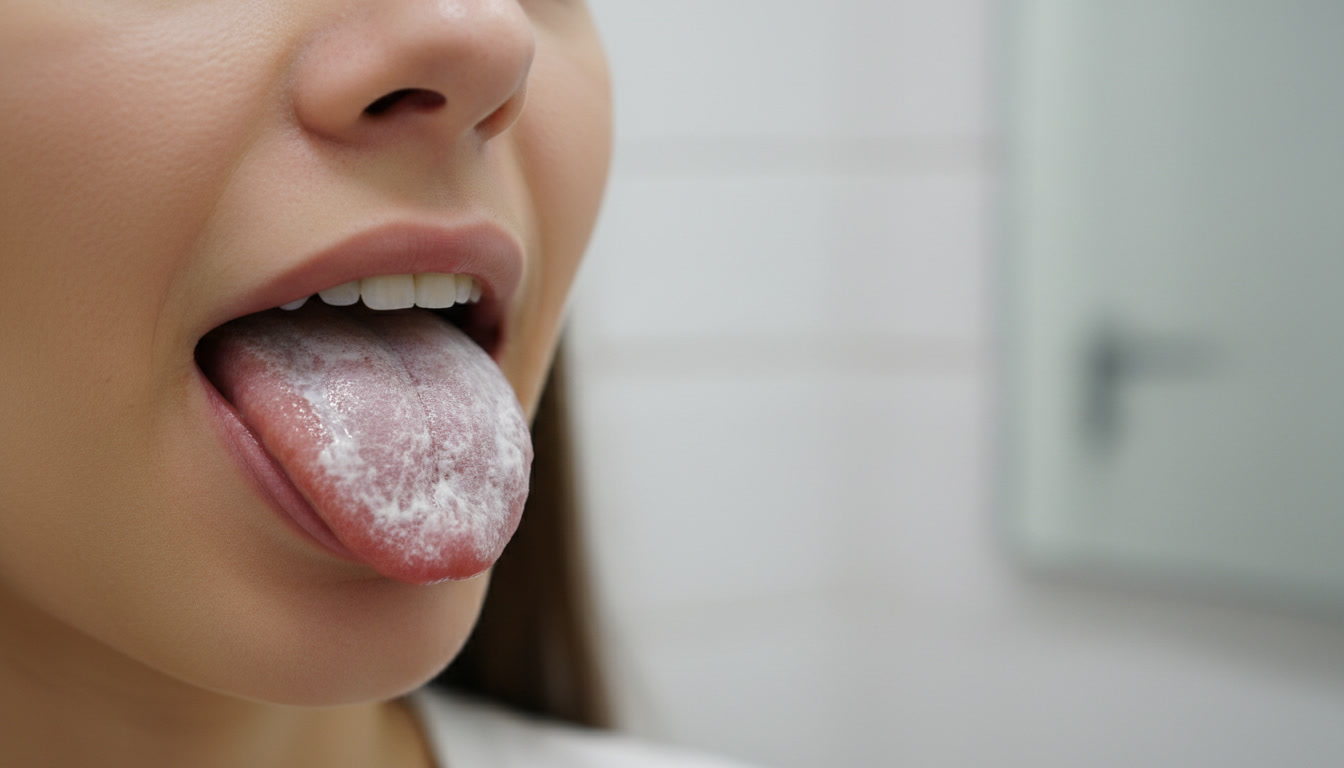
If you’ve ever looked in the mirror and noticed your tongue isn’t a healthy pink, you aren’t alone. For many, a “coated” tongue is the first sign that your oral health is spiraling out of balance.
But you don’t need a medical degree to understand what’s happening. The specific color on your tongue is actually a “readout” of which bacteria are currently winning the war in your mouth. While most people think they need to scrub their tongue raw, the real fix is much simpler.
In this guide, we’ll decode what your tongue color means and show you how to reset your mouth’s ecosystem for good.
What is a Tongue Coating?
A tongue coating isn’t a disease; it’s a biofilm. Your tongue is covered in tiny bumps called papillae.
Once trapped, these particles become an all-you-can-eat buffet for odor-causing bacteria. As they feast, they produce the thick, colorful film you see in the mirror.
The Color Test: What Your Tongue is Signaling
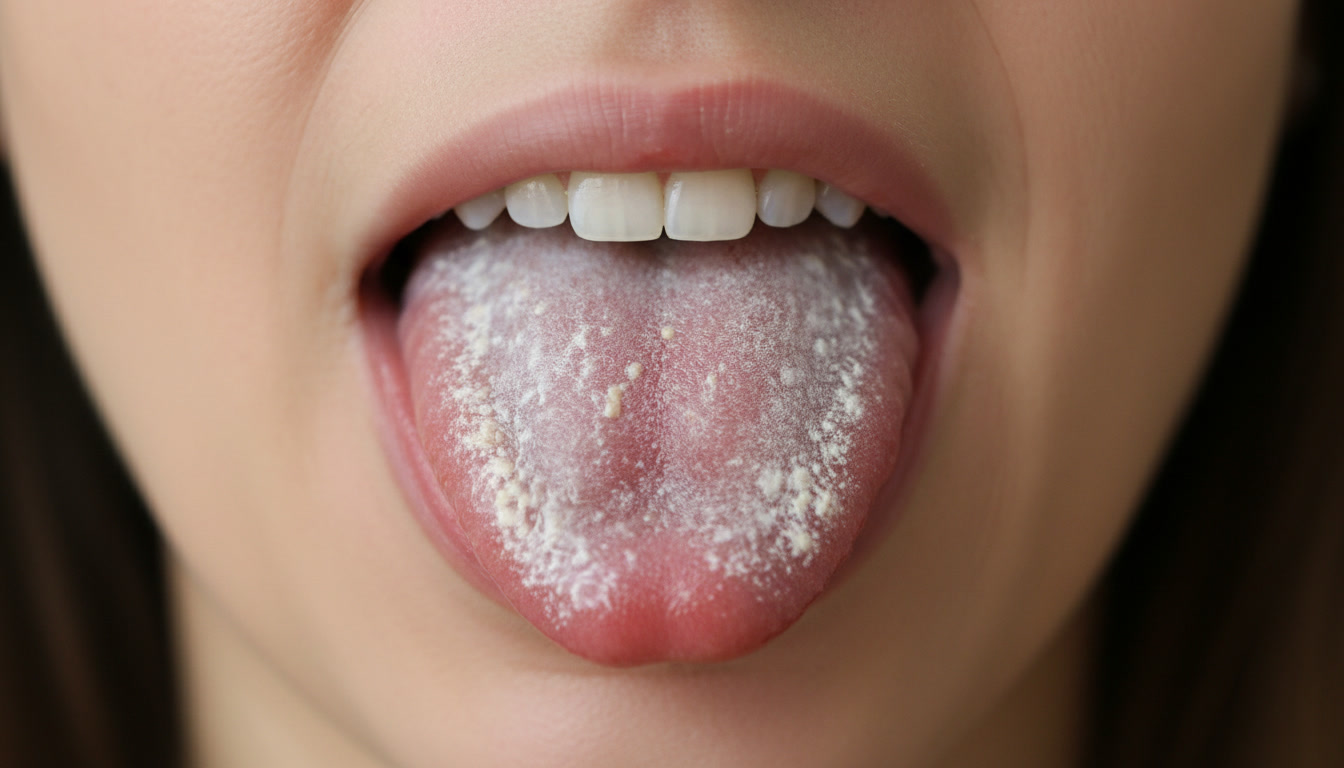
1. White Coating (The Most Common)
A white, pasty coating is the #1 sign of bacterial overgrowth. It usually means your mouth has become too acidic, killing off the “good” bacteria and allowing a white film of pathogens to take over.
The Smell: This usually creates a “stale” or “sour” breath that returns just minutes after brushing.
The Cause: Often triggered by dry mouth (Xerostomia) or a diet high in processed carbs.
2. Yellow Coating (The “Skatole” Warning)
If the coating is turning yellow, the situation is more advanced. This color comes from specific bacteria producing pigmented waste products.
The Smell: This is where you get the sharp, acrid “mothball” or sulfur-like odor.
The Cause: Yellowing happens when the “bad” bacteria are successfully manufacturing compounds like Skatole and Methyl Mercaptan.
3. Brown or “Hairy” Coating
When the papillae on your tongue don’t shed properly, they grow longer and trap stains from coffee, tea, or food. This creates a dark, fuzzy appearance.
The Smell: These long “hairs” trap massive amounts of odor-causing bacteria, leading to a persistent smell that feels impossible to mask.
Why Scraping is Only a Temporary Fix
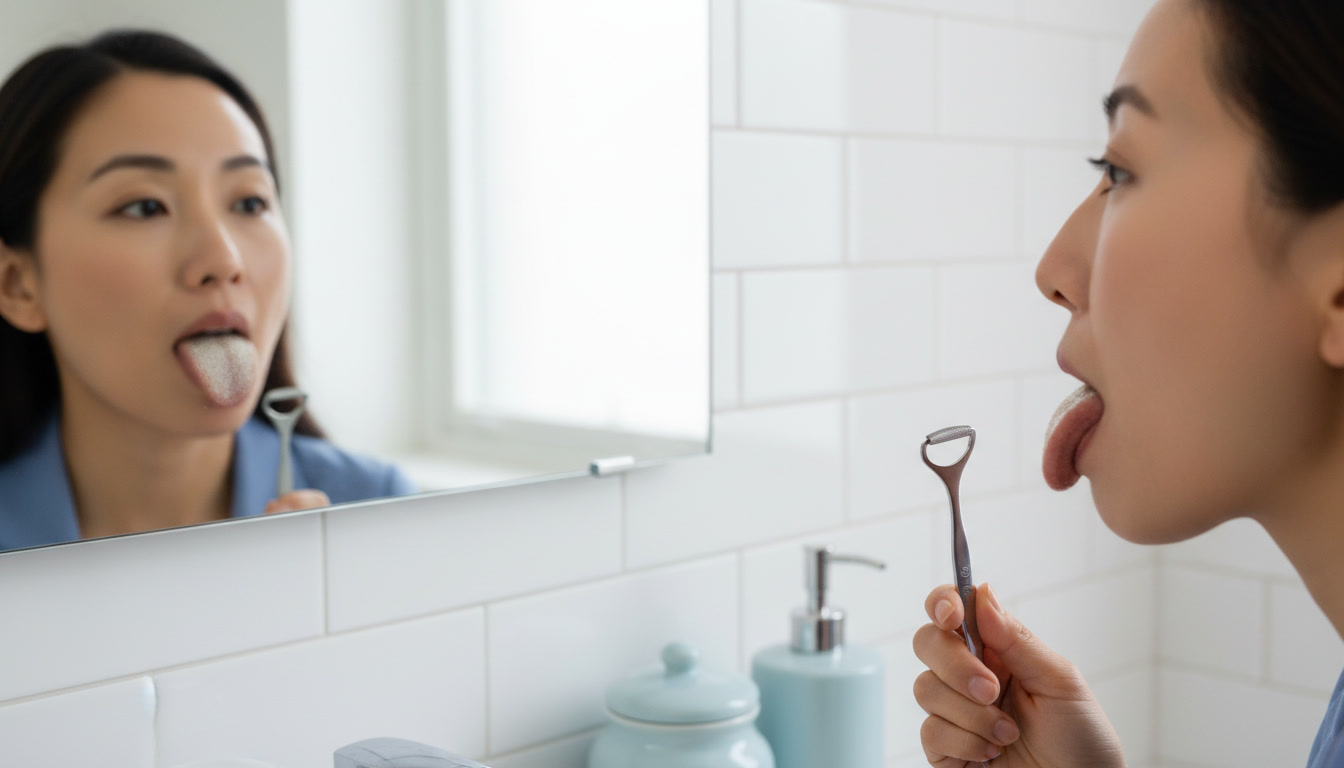
Most people reach for a plastic tongue scraper. While this might clear the surface for an hour or two, it doesn’t solve the Root Cause.
Think of your tongue like a garden. If you have weeds (bad bacteria), you can’t just cut the tops off with a lawnmower and expect them to go away. They will grow back by the next morning. To fix the problem, you have to change the “soil”—which, in your mouth, is the Oral Microbiome.

The Simple Fix: Restoring the Balance
You don’t need expensive dental procedures or harsh chemical rinses to get a clean, pink tongue. You simply need to replace the “bad” bacteria with “good” ones.
By flooding your mouth with specific, beneficial probiotic strains, you can:
Dismantle Biofilms: Good bacteria naturally break down the “slime shield” that creates the tongue coating.
Neutralize Odors: When your microbiome is balanced, the production of Skatole (mothball smell) and Sulfur (rotten egg smell) stops at the source.
Restore Your Tongue’s Natural Color: As the bad bacteria are crowded out, the inflammation in your papillae goes down, and your tongue returns to a healthy pink.
Stop Guessing and Start Resetting
If you’re tired of checking your tongue in every mirror you pass, it’s time to stop the “scrubbing” cycle. Traditional dental products are designed to kill 99% of bacteria, but that includes the 1% of “Good Guards” you actually need.
The most effective way to clear a coated tongue and achieve all-day fresh breath is to repopulate your mouth with the right probiotics.