
If you’ve ever noticed your breath getting worse after meals, lying down, or first thing in the morning — and brushing doesn’t seem to touch it — acid reflux may be the culprit nobody has told you about.
Millions of people treat their bad breath as a dental problem for years while the real source sits entirely below the neck. Acid reflux — also known as GERD when it becomes chronic — creates a direct pipeline from your stomach to your mouth, and everything that comes up with it comes with a smell.
Understanding this connection is the first step toward actually fixing it, instead of masking it one mint at a time.
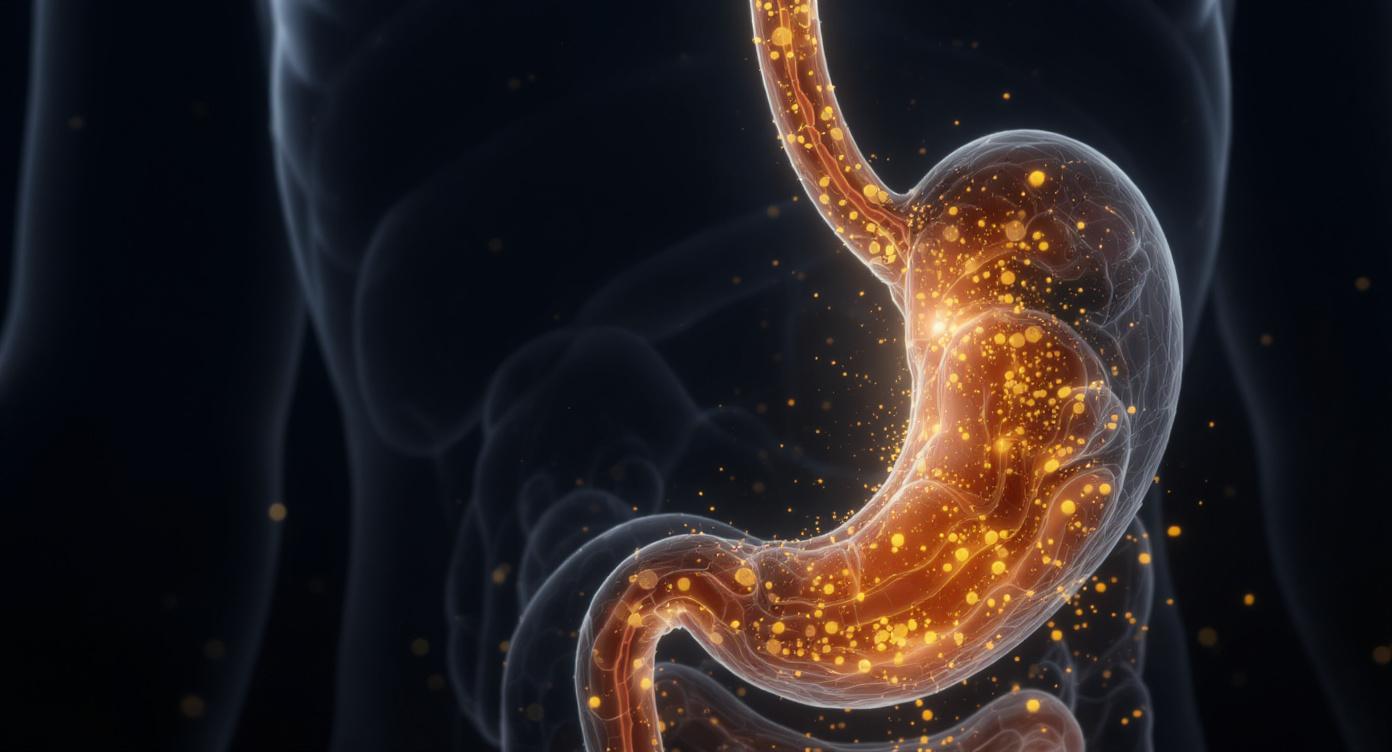
How Acid Reflux Causes Bad Breath
When acid reflux occurs, stomach acid and partially digested food travel back up through the esophagus toward the mouth. This backflow brings with it a cocktail of odor compounds — sulfur gases, bile acids, and fermented food particles — that no toothbrush can reach because they’re not coming from your teeth.
The smell tends to be distinctly sour or acidic, sometimes with an underlying rotten or sulfuric quality. It often worsens after eating, after lying down, or in the morning after a night of reflux you may not have even been aware of.
What makes this particularly frustrating is that your breath can smell bad even minutes after brushing — because the source is actively replenishing the odor compounds faster than any surface cleaning can remove them.
The Two Ways Reflux Creates Bad Breath
Direct odor from stomach contents
Every time acid travels up the esophagus it carries volatile compounds from your stomach with it. These compounds — particularly hydrogen sulfide and methyl mercaptan — are the same gases responsible for the sulfur smell that many reflux sufferers describe. They coat the back of the throat and tongue and linger long after the reflux episode itself has passed.
Bacterial overgrowth from acid damage
Chronic acid reflux damages the lining of the esophagus and throat, creating an environment where odor-producing bacteria thrive. Stomach acid also disrupts the natural pH balance of the mouth, which suppresses the beneficial bacteria that normally keep bad breath in check and allows the sulfur-producing strains to multiply unchecked.
This is the deeper problem — and it explains why people with chronic reflux often develop persistent bad breath that standard hygiene cannot fix. It is not a dental problem. It is a systemic bacterial imbalance triggered by an underlying digestive condition.
Signs Your Bad Breath Is Coming From Reflux
The challenge with reflux-related bad breath is that many people don’t even know they have reflux. Silent reflux — medically known as laryngopharyngeal reflux or LPR — produces little to no heartburn while still sending acid and odor compounds into the throat and mouth regularly.
Signs that reflux may be behind your bad breath:
- Your breath is noticeably worse after meals, particularly large or fatty meals
- You wake up with an especially sour or acidic taste in your mouth
- Your bad breath is accompanied by a persistent sour or bitter taste throughout the day
- You notice a burning or scratchy sensation at the back of your throat
- Your morning breath is significantly worse than it should be even after brushing
- You experience frequent bloating, burping, or a feeling of fullness after eating
- Mints and mouthwash provide almost no relief because the smell keeps coming back
- You have a chronic cough or need to clear your throat regularly — a classic LPR sign
If four or more of those apply to you, reflux is almost certainly a contributing factor to your bad breath — whether or not you’ve ever been diagnosed with it.
Foods That Make Reflux-Related Bad Breath Worse
Certain foods directly trigger reflux episodes and amplify the odor compounds reaching your mouth. The worst offenders are:
Immediate triggers — coffee, alcohol, carbonated drinks, citrus, tomatoes, spicy food, chocolate, and mint. Yes, mint — the irony is that the thing most people reach for to cover bad breath from reflux is one of the foods most likely to trigger the reflux causing it.
Slow burn triggers — fatty meats, fried food, full-fat dairy, and large portion sizes. These foods sit in the stomach longer and increase the pressure that pushes acid upward.
Hidden triggers — eating within three hours of lying down, eating too quickly, and eating while stressed. These behavioral triggers are just as significant as the food itself and are often completely overlooked.
How To Address Reflux-Related Bad Breath
Because the source is digestive rather than dental, the fix has to address both the reflux itself and the bacterial environment it creates.
Address the reflux directly
The most impactful changes are behavioral. Eating smaller meals, avoiding trigger foods, not lying down within three hours of eating, elevating the head of your bed slightly, and managing stress all reduce the frequency and severity of reflux episodes — which directly reduces the amount of odor-producing material reaching your mouth.
Restore the bacterial balance reflux disrupts
This is the piece most people miss entirely. Chronic reflux doesn’t just cause bad breath in the moment — it creates a lasting bacterial imbalance in the mouth and gut that continues producing odor even between reflux episodes. The gut-breath connection runs deeper than most people realize, and acid damage to the digestive environment accelerates the overgrowth of the sulfur-producing bacteria responsible for persistent halitosis.
Rebalancing the oral and gut microbiome with the right strains of beneficial bacteria — particularly those shown to compete directly with sulfur-producing species — addresses this underlying imbalance rather than just managing the surface symptom. Lactobacillus Reuteri is one of the most well-researched strains for this specific purpose, with evidence supporting its role in reducing odor-causing bacteria in both the mouth and digestive tract.
Saliva production
Acid reflux suppresses saliva production over time, and saliva is your mouth’s primary natural defense against bad breath. Staying well hydrated, chewing xylitol gum between meals, and avoiding mouth breathing all help maintain the saliva flow that keeps bacterial populations in check.
When To See a Doctor
Occasional reflux is common and manageable with lifestyle changes. You should speak with a doctor if:
- Reflux symptoms occur more than twice a week consistently
- You experience difficulty swallowing or persistent chest discomfort
- Your bad breath persists despite addressing dietary triggers and restoring gut balance
- You notice your symptoms worsening over time rather than improving
Untreated chronic GERD can cause lasting damage to the esophagus and significantly worsens the bacterial environment driving your bad breath. Early intervention makes both conditions easier to manage.
The Takeaway
Acid reflux bad breath is one of the most misdiagnosed and mistreated forms of halitosis — largely because it gets treated as a mouth problem when the source is entirely digestive. Brushing harder, using stronger mouthwash, and carrying more mints will not fix a problem that originates below your teeth.
Addressing the reflux, restoring the bacterial balance it disrupts, and protecting your saliva production gives you a genuine path to fresh breath rather than a temporary cover-up.