7 Surprising Reasons Your Breath Still Smells Bad (Even After Brushing)

You brush twice a day. You floss regularly. You might even use mouthwash.
So why does your breath still smell bad a few hours later?
If you've been wondering why nothing seems to work, you're not alone. Millions of people struggle with the same frustrating problem.
The truth is, fresh breath isn't just about brushing harder or longer. There are hidden factors at play that most people (and even some dentists) overlook.
If you want to skip straight to what's actually working for thousands of people, click here. Otherwise, keep reading to understand why traditional approaches keep failing...
📊 The Shocking Truth:
1 in 4 Americans deal with chronic bad breath
85% of cases are caused by bacterial imbalance
Most people are using the wrong solutions
1. You’re Only Cleaning the Surface
When you brush your teeth, you’re cleaning enamel, removing food particles, and scrubbing away surface plaque.
But here’s what most people don’t realize: the real problem isn’t happening on your teeth.
It’s happening beneath your gum line, in the spaces between your teeth, and deep in the soft tissue of your mouth—places your toothbrush can’t reach.
Bad breath doesn’t come from dirty teeth. It comes from bacteria living in areas you’re not touching at all.
2. Your Mouthwash Is Making It Worse
This one surprises people.
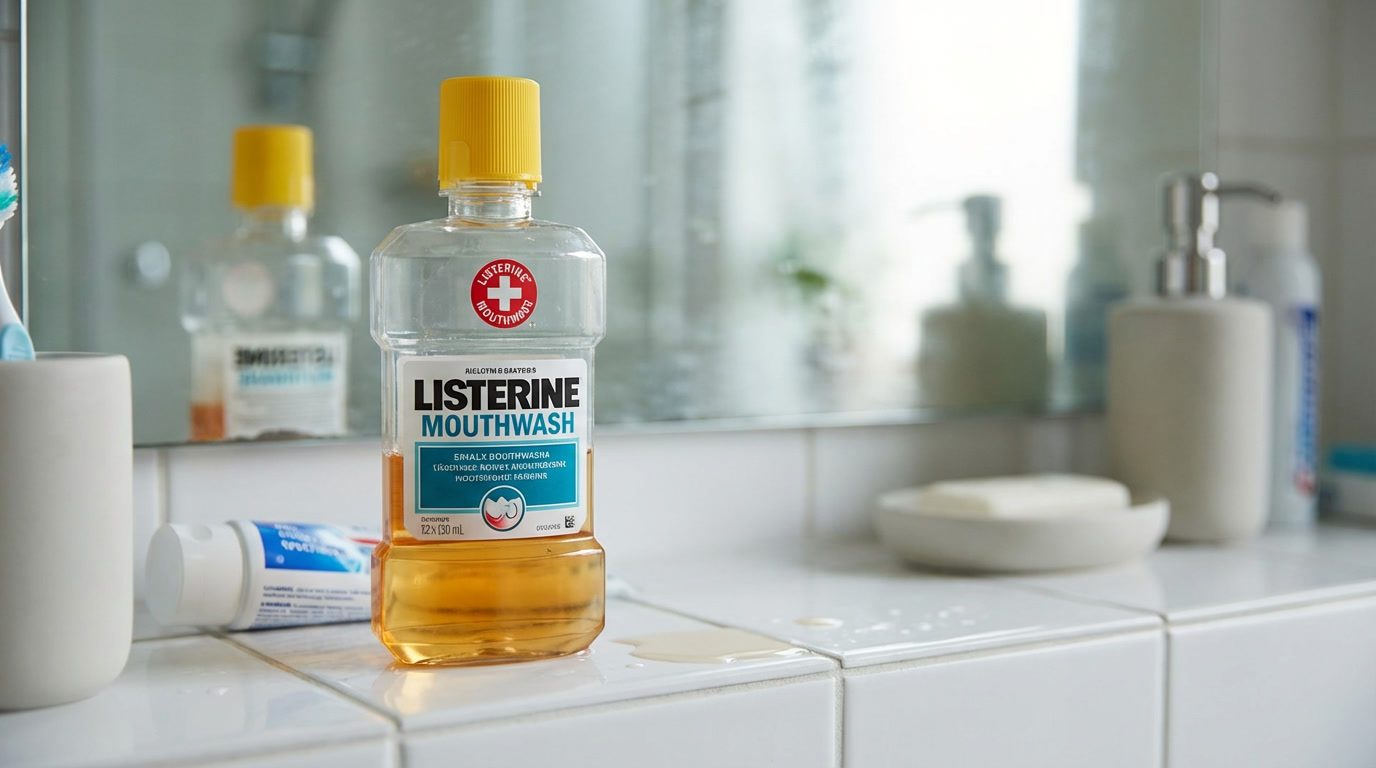
You’d think mouthwash would help with bad breath, right? After all, it kills 99.9% of bacteria.
Here’s the problem: it kills ALL bacteria—both the good and the bad.
Your mouth needs good bacteria to stay balanced. When you wipe out everything with harsh antibacterial rinses, the bad bacteria come back faster and stronger.
Think of it like using bleach in a garden. Sure, you kill the weeds, but you also kill everything that keeps the soil healthy.
The result? Your breath might smell minty for an hour, but the underlying problem gets worse.
❓ Do Any of These Sound Familiar?
- ✓ Your breath smells bad within 2 hours of brushing
- ✓ Mints and gum only work for a few minutes
- ✓ People subtly lean back during conversations
- ✓ You avoid close interactions because you're self-conscious
- ✓ Nothing you've tried has worked long-term
If you checked even one box, keep reading...
3. Bad Bacteria Multiply While You Sleep
Ever notice your breath is worst in the morning?
There’s a reason for that.
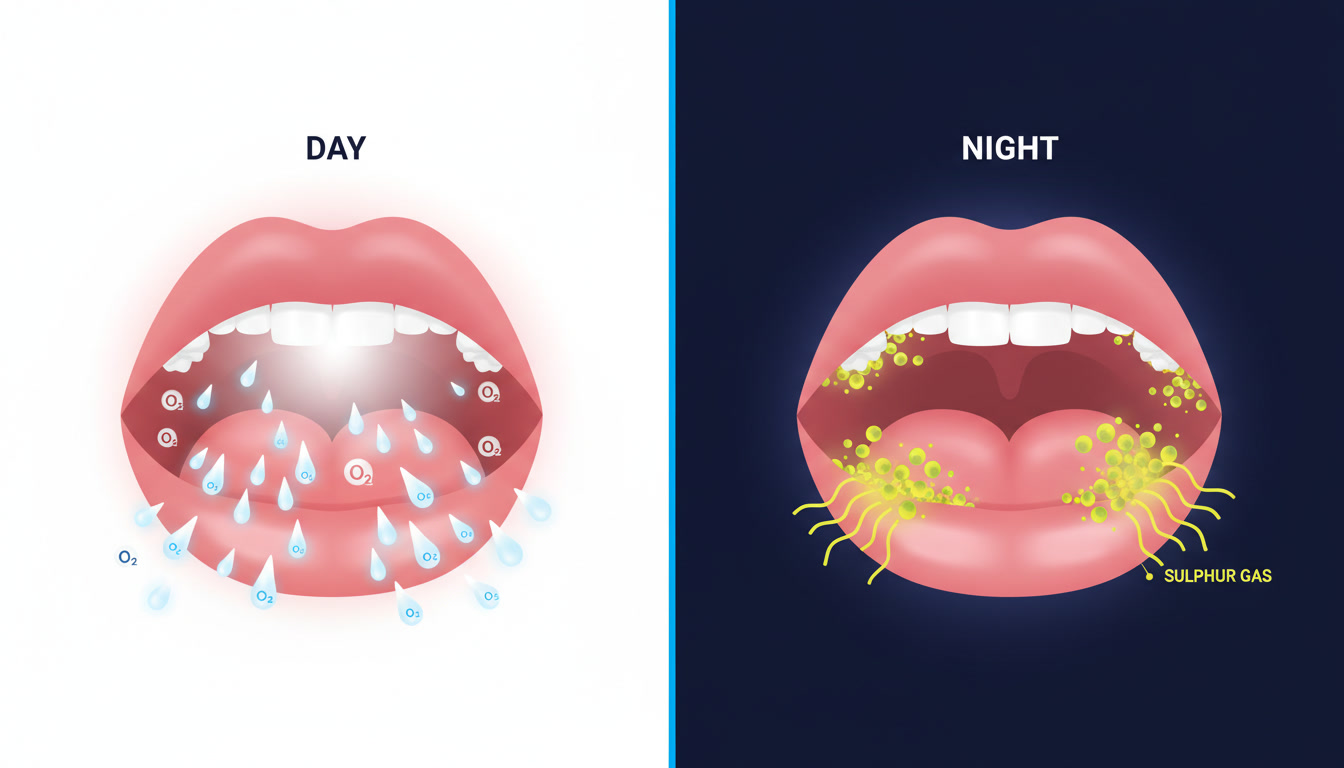
While you sleep, saliva production slows down dramatically. Your mouth becomes warm, dark, and dry—the perfect breeding ground for odor-causing bacteria.
These bacteria feed on leftover food particles and dead cells, producing sulfur compounds that smell like rotten eggs.
By morning, they’ve had 7-8 hours to multiply undisturbed.
Brushing before bed helps, but it doesn’t stop this overnight bacterial explosion. The bacteria are always there, waiting to take over.
4. Your Tongue Is the Real Problem
Most people focus entirely on their teeth and forget about their tongue.
Big mistake.
Studies show that up to 80% of bad breath bacteria actually live on your tongue—especially the back of your tongue where your toothbrush rarely goes.
That white or yellowish coating you sometimes see? That’s a bacterial film.
You can brush your teeth perfectly, but if you’re not addressing your tongue, you’re only solving 20% of the problem.
💡 KEY INSIGHT:
Studies show 80% of bad breath bacteria live on your tongue—not your teeth. This is why brushing alone never solves the problem. You're focusing on the 20% while ignoring the 80%.
5. Dry Mouth Creates the Perfect Storm
Saliva is your mouth’s natural defense system.
It washes away food particles, neutralizes acids, and keeps bacterial populations in check.
But when your mouth is dry—from medications, caffeine, stress, or just not drinking enough water—bacteria thrive.
Coffee drinkers know this well. Coffee not only dries out your mouth, but it also creates an acidic environment that bad bacteria love.
This is why your breath can smell worse after your morning coffee, even if you just brushed.
6. You’re Not Supporting the Good Bacteria
Here’s something most people never think about:
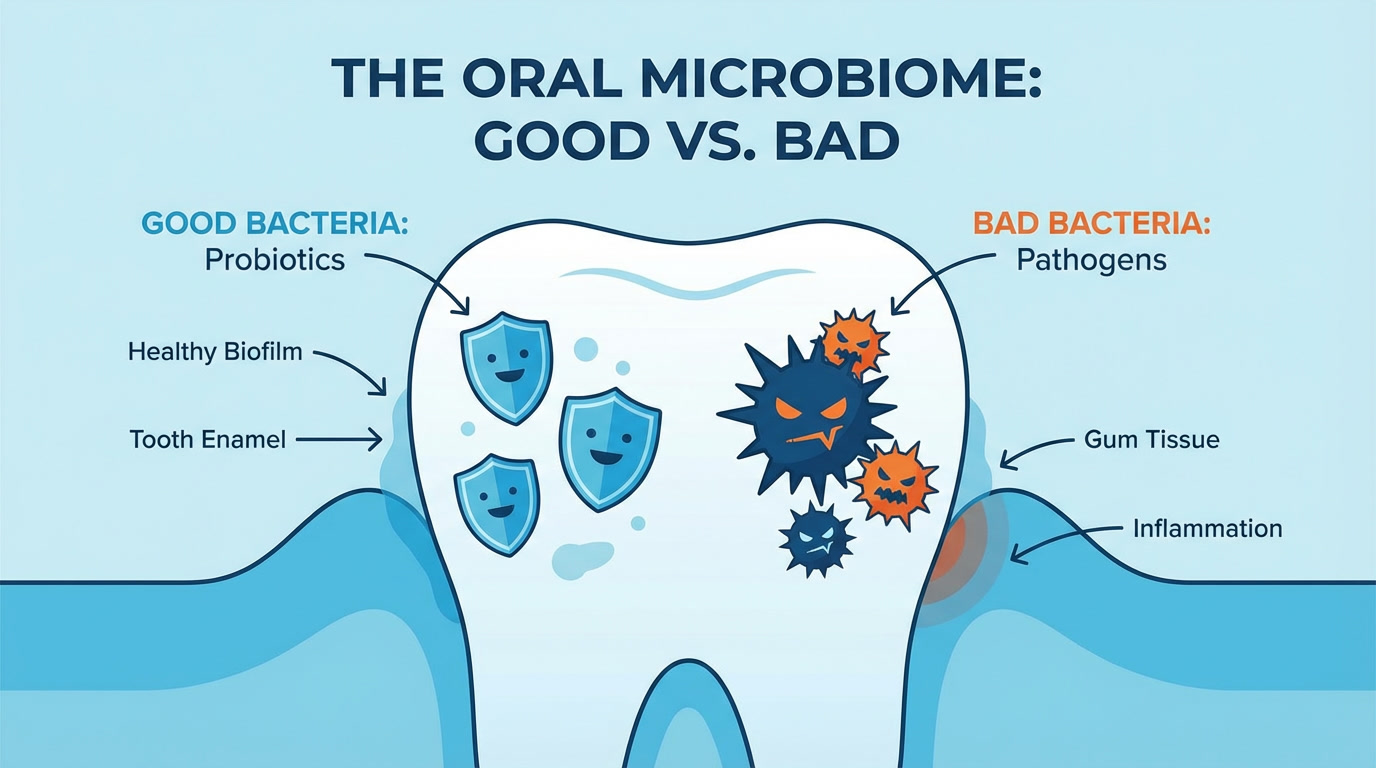
Your mouth is home to billions of bacteria. Some are harmful (they cause bad breath, gum problems, and decay). Others are beneficial (they protect your teeth and gums and keep your breath fresh).
The key isn’t killing all bacteria—it’s maintaining the right balance.
When good bacteria are thriving, they crowd out the bad bacteria and keep your mouth healthy naturally.
But most oral care routines do nothing to support good bacteria. In fact, they actively destroy them.
Without good bacteria doing their job, bad bacteria take over. And that’s when breath problems become chronic.
7. Your Oral Microbiome Is Out of Balance
Scientists now understand that your mouth has its own ecosystem—called the oral microbiome.
Just like your gut needs healthy bacteria to function properly, so does your mouth.
When this ecosystem is balanced, your breath stays fresh, your gums stay healthy, and your teeth are naturally protected.
But when it’s out of balance—from diet, stress, antibacterial products, or just genetics—bad bacteria dominate.
This imbalance is what causes:
- Chronic bad breath
- Bleeding gums
- Tooth sensitivity
- Plaque buildup that keeps coming back
You can brush and floss all day long, but if your oral microbiome is out of balance, these problems will persist.
⚠️ Signs Your Oral Microbiome Is Out of Balance:
Sound familiar? You're not alone—and it's not your fault.
So What’s the Solution?
For years, people have been told the answer is better brushing, more flossing, and stronger mouthwash.
But as we’ve just seen, that approach misses the real problem: bacterial imbalance.
The breakthrough isn’t about scrubbing harder. It’s about supporting the good bacteria your mouth needs to stay balanced.
That’s where targeted probiotics come in.
Recent research shows that specific probiotic strains can help support a healthy oral microbiome—reinforcing good bacteria so they can keep bad bacteria in check naturally.
Combined with ingredients like organic xylitol (which supports bacterial balance), cranberry extract (known for oral wellness benefits), and nutrient-rich compounds, this approach addresses the root cause instead of just masking symptoms.
People who’ve made this switch report fresher breath that lasts all day, healthier-looking gums, and a cleaner-feeling mouth—without harsh chemicals or complicated routines.
Want to learn more about this approach?